Where does water comes from?

Jakarta
Jakarta’s skyline seen from the The Fountain Pen. Photo by Ecal Saputra.

Greater Jakarta is a living and breathing cityscape that sprawls over several provinces and is home for more than 30 million people.  This city’s water consumption is 1 billion m3/year.

Where does Jakarta’s water come from?

Gunung Gede Pangrango National Park, located about 80 km from the city, is the sources of the water for Greater Jakarta. The National Park is one of the oldest parks in Indonesia and was also declared as Biosphere Reserve by UNESCO. It has been estimated that the 60 more rivers flowing from the park provide water worth US$1.5 billion for domestic and agricultural uses.

It is one of the examples of the potential role of protected areas in helping to maintain water supply to major cities. More reference about forest protected areas for water supply can be found in this research report by the World Bank/WWF Alliance for Forest Conservation and Sustainable Use.
Sustainable Palm Oil?

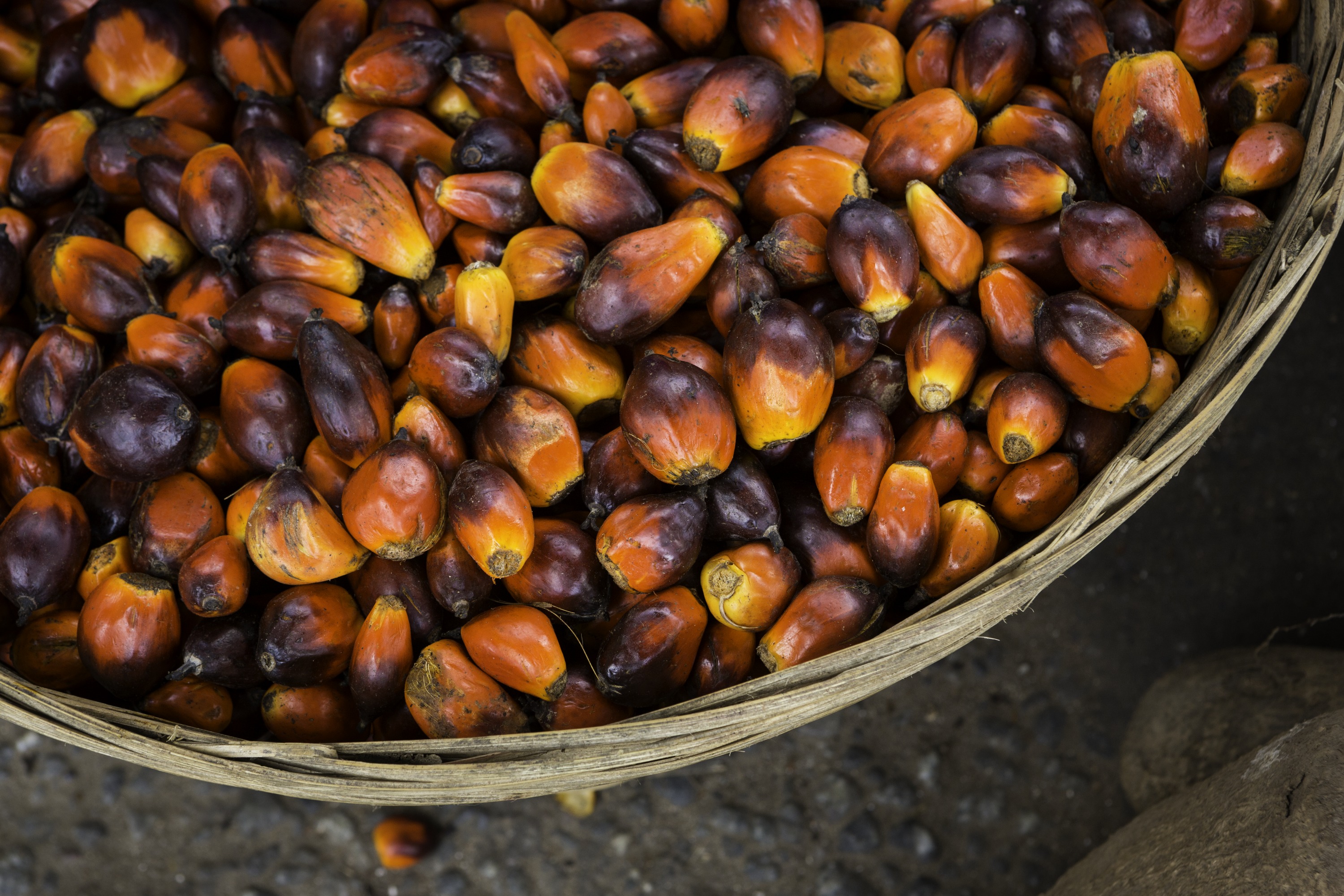
Oil palm is grown and processed at a small scale. Photo by Benjamin Drummond.

Oil palm trees are planted on more than 20 million hectares of tropical area around the world – mostly in Indonesia and Malaysia where 85% of all palm oil is produced, but increasingly in Africa and Latin America. The trees are incredibly efficient, yielding more oil on the same amount of land than any other leading oil crop (soy, canola, or sunflower). Thus, the global demand for palm oil has nearly tripled since 2000. With global demand for vegetable oils projected to exceed 300 million tonnes by 2050, the need to change palm oil production is clear and urgent.

Can palm oil production be sustainable?

Find out more about palm oil production in this publication by Conservation International.

New species of Orca

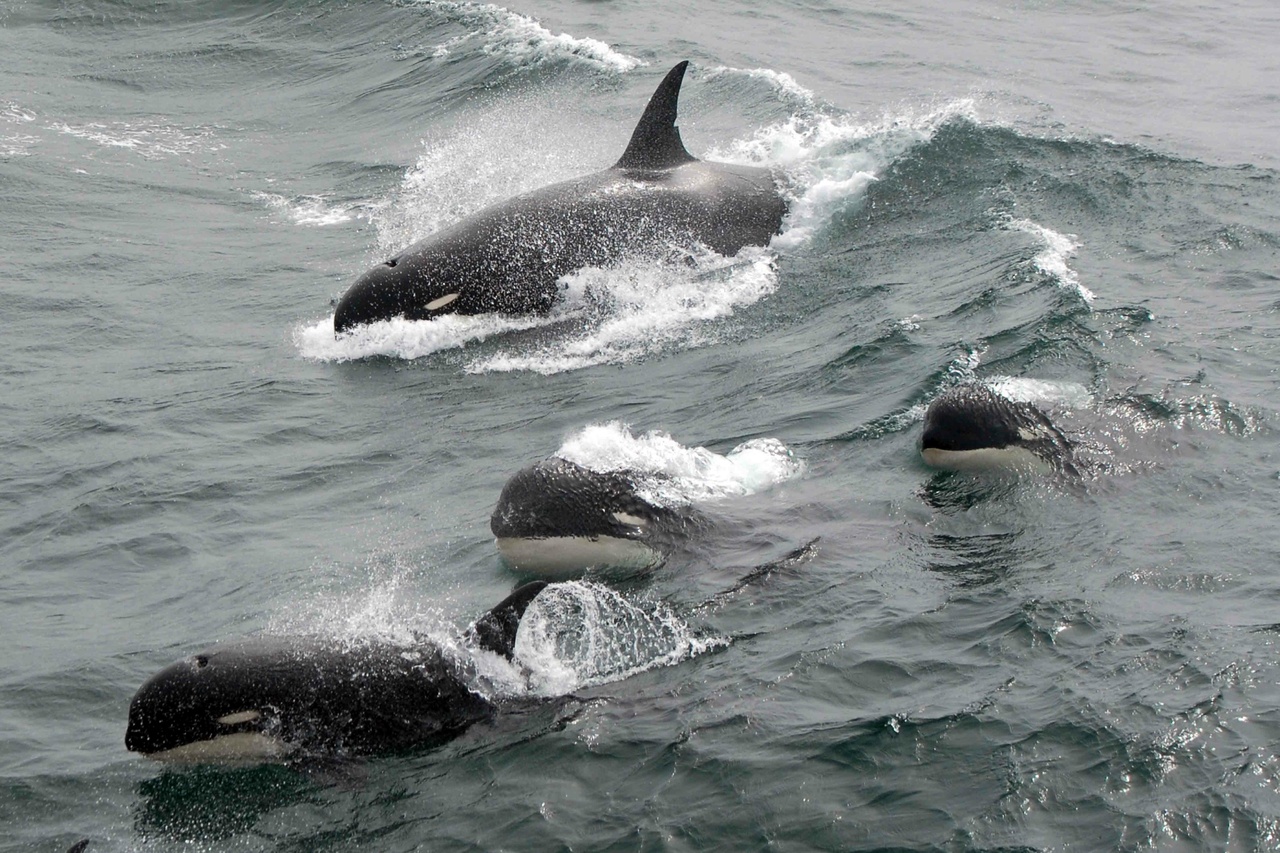
A rare photo of Type D killer whales showing their blunt heads and tiny eyepatches.
Photo by J.P. Sylvestre.

There are still some unknown species in the world – even whales and great apes. Just announced – a possible new species of Orca: type D or “sub-antarctic” that was previously known from anecdotal evidence from both fishermen and more recent digital photos by Antarctic tourists.  Bob Pitman described the “type D” ecotype in a paper in 2010 and NOAA just published video and announced that they had collected DNA.

Similar to recent discovery of new species of Orangutan in Northern Sumatra – a species that could go extinct soon after it is described by science. Pongo tapanuliensis is critically endangered and its existence is directly threatened by hydro power development plans, deforestation for palm-oil plantations and increasing human transmigration into remaining intact forest fragments.  


Coral reefs in Upolu Samoa

Samoa, Apia, Sinalei Reef Resort-
Samoa, Apia. Photo by Traveller.com.au

National Geographic published a video of the recent study by a team of researchers in Upolu island of Samoa. They concluded that the combination of climate change and human activity has led to intense die-offs around the Samoan island of Upolu.

Here is the abstract:

Coral reef ecosystems worldwide are immediately threatened by the impacts of climate change. Here we report on the condition of coral reefs over 83 km of coastline at the island of Upolu, Samoa in the remote South West Pacific in 2016 during the Tara Pacific Expedition. Despite the distance to large urban centers, coral cover was extremely low (<1%) at approximately half of the sites and below 10% at 78% of sites. Two reef fish species, Acanthurus triostegus and Zanclus cornutus, were 10% smaller at Upolu than at neighboring islands. Importantly, coral cover was higher within marine protected areas, indicating that local management action remains a useful tool to support the resilience of local reef ecosystems to anthropogenic impacts. This study may be interpreted as cautionary sign for reef ecosystem health in remote locations on this planet, reinforcing the need to immediately reduce anthropogenic impacts on a global scale.

Read the full study: Status of coral reefs of Upolu (Independent State of Samoa) in the South West Pacific and recommendations to promote resilience and recovery of coastal ecosystems