The Coral Triangle

Map of the Coral Triangle.

The Coral Triangle, located in the western Pacific Ocean, encompasses the waters of Indonesia, Malaysia, the Philippines, Papua New Guinea, Timor Leste, and the Solomon Islands. It is known for having the world’s highest biodiversity of coral and fish species, with over 600 species of coral and over 3,000 species of fish. The region is considered to be a global center of marine biodiversity and is of significant importance for both marine ecosystems and the local communities that rely on the resources provided by the ocean for their food, income, and protection from storms.

However, the coral reefs in the region are facing significant threats such as overfishing, pollution, and climate change, which are causing declines in the health of the coral reefs and reducing the biodiversity they support. In order to protect and preserve the unique biodiversity of the region, as well as the livelihoods and cultural heritage of local communities, conservation efforts are needed.

Some of the key conservation efforts underway in the Coral Triangle include the creation of Marine Protected Areas, promotion of sustainable fishing practices, implementation of climate change adaptation measures, and the implementation of community-based management approaches. These efforts are aimed at ensuring the long-term health of the coral reefs and the biodiversity they support, and preserving the resources that are critical to the livelihoods and well-being of the local communities.

Financing Blue Carbon with Insurance

Mangroves in the Philippines. Photo by Esther Anne F. Bueno.

The Restoration Insurance Service Company (RISCO) is an innovative finance project aimed at investing in blue carbon in marine and coastal ecosystems, particularly in the Philippines. The project is part of the Global Innovation Lab for Climate Finance and aims to protect 4,000 hectares of mangrove forest through conservation and restoration efforts in partnership with local communities.

RISCO’s innovative approach involves identifying areas where mangroves provide high flood reduction benefits and modeling the value of those benefits.

This innovative finance project highlights the potential for financial solutions to address environmental challenges, such as the protection and restoration of mangrove ecosystems. By partnering with local communities and generating revenue from blue carbon credits, RISCO aims to create a sustainable model for mangrove conservation and restoration.

Learn more here.

One Million Trees for Timor Leste

Matebian, third highest mountain in Timor Leste. © Billtrips.com

In July, I discussed with the Cabinet of the President of Republic of Timor Leste on supporting the One Million Trees Program. Conservation International will support the Government’s commitment of planting one million trees by the end of 2022, as stated by President Mr. Francisco Guterres (Lú Olo). By having one million trees, the country would be able to combat climate change, reduce land degradation, and bring clean water to communities. With the active involvement of all agencies and various partners, it is expected that more than 180,000 ha will be replanted or restored.

‘Mantanomics’

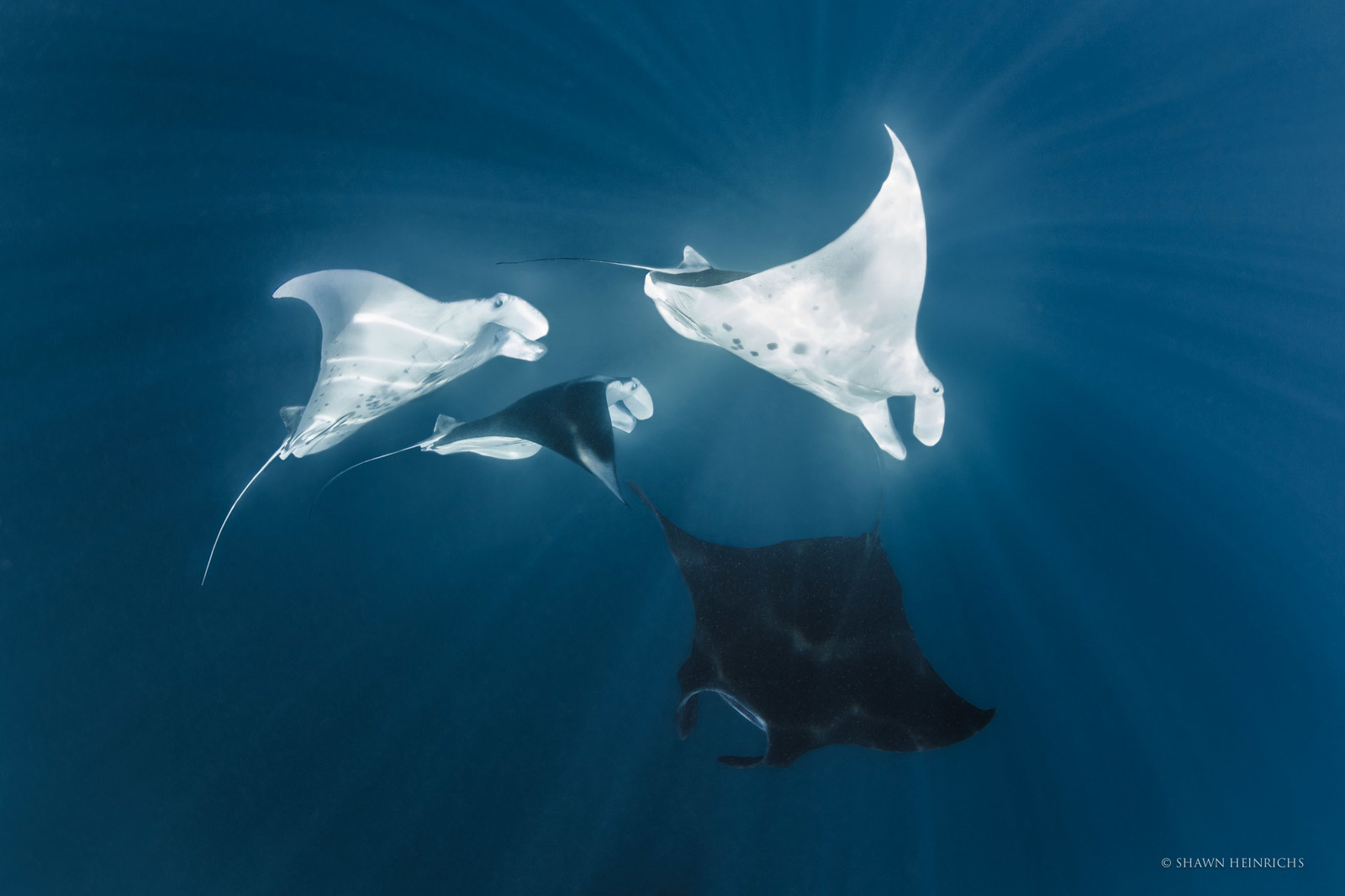
Sea life in West Papua, Indonesia. Photo by Shawn Heinrich.

Mantanomics demonstrates the economic value of manta rays, which are much more valuable as long-term sources of tourism revenue than as one-time revenue to fisheries. This study estimates the direct economic impact ($140 million per year) from tourism, which significantly exceeds the value of trade in manta ray gill plates ($5 million per year).

In 2014, Indonesia declared the largest manta ray sanctuary in the world. The Ministry of Marine Affairs and Fisheries granted full protected status that supports a US$ 15 million tourism industry per year. It is ranked as one of the top three destinations in the world for manta ray watching, mainly in West Papua. 

Here is the link to the paper:

https://journals.plos.org/plosone/article?id=10.1371/journal.pone.0065051

The Guardians of Raja Ampat

Guardians of R4
Children in Raja Ampat, West Papua. Photo by Shawn Heinrich.

Here’s a beautiful and important film that tells us stories about the true guardians of Raja Ampat, West Papua, Indonesia. Produced in conjunction with Conservation International by Shawn Heinrich (an Emmy Award winning cinematographer) and John Weller (photographer and filmmaker), this film illustrates how the aspirations and passions of the local communities drives the successful community-based conservation in Raja Ampat.

One of the stories in this film is about Rens Lewerissa, former shark hunter who now a conservation leader (see 34th minute).  Estimates are that over 70 million sharks are killed every year in the world.

Enjoy the 68 minutes film here.

LINK: Worm 2012 paper on Global Sharks Catches and Exploitation