West Papua, Indonesia: What is a Conservation Province?

13. World’s First Conservation Province
West Papua, Indonesia. Photo by LT&C.org

On 19 October 2015, the Government of West Papua, Indonesia declared the Conservation Province, showed commitment to maintaining ecological balance while creating sustainable livelihood and achieving sustainable development.  It is a policy blueprint that embraces nature conservation as the foundation for economic development in West Papua.

West Papua is one of the world’s most biodiverse places. With more than 80% forest, this province is one of the last large tropical rainforests on the planet, and it is also important to the world’s epicentre of marine biodiversity.  It also houses vast stores of carbon in its forests and mangroves.

The designation alone is not conservation success – we still have to make it work on the ground.  But it is a huge opportunity.  Perhaps the biggest conservation opportunity in the world right now.

Click here to see short video about Conservation Province.

See some related blog posts about Conservation Province in here.
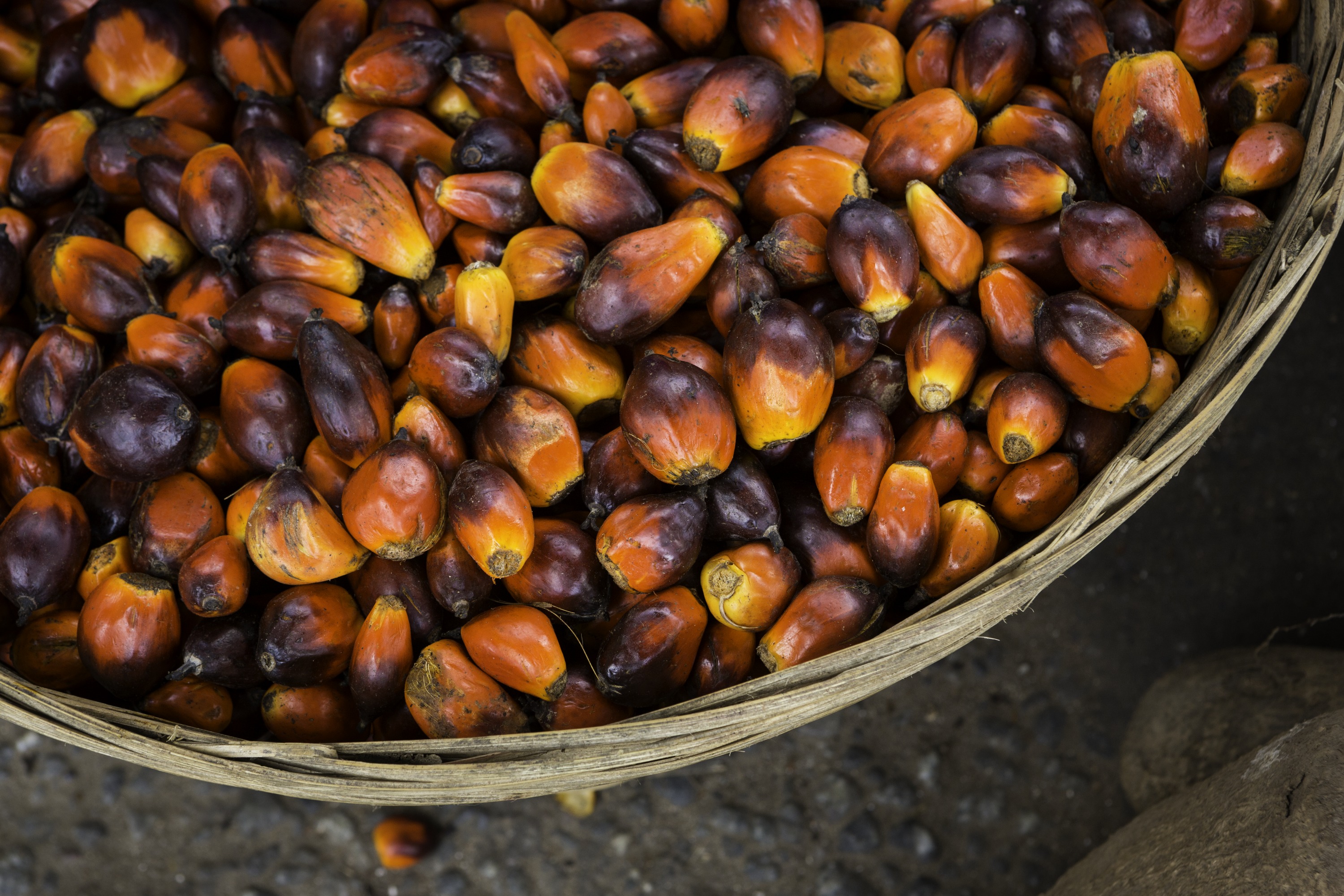
Sustainable Palm Oil?

Oil palm is grown and processed at a small scale. Photo by Benjamin Drummond.

Oil palm trees are planted on more than 20 million hectares of tropical area around the world – mostly in Indonesia and Malaysia where 85% of all palm oil is produced, but increasingly in Africa and Latin America. The trees are incredibly efficient, yielding more oil on the same amount of land than any other leading oil crop (soy, canola, or sunflower). Thus, the global demand for palm oil has nearly tripled since 2000. With global demand for vegetable oils projected to exceed 300 million tonnes by 2050, the need to change palm oil production is clear and urgent.

Can palm oil production be sustainable?

Find out more about palm oil production in this publication by Conservation International.

Coral reefs in Upolu Samoa

Samoa, Apia, Sinalei Reef Resort-
Samoa, Apia. Photo by Traveller.com.au

National Geographic published a video of the recent study by a team of researchers in Upolu island of Samoa. They concluded that the combination of climate change and human activity has led to intense die-offs around the Samoan island of Upolu.

Here is the abstract:

Coral reef ecosystems worldwide are immediately threatened by the impacts of climate change. Here we report on the condition of coral reefs over 83 km of coastline at the island of Upolu, Samoa in the remote South West Pacific in 2016 during the Tara Pacific Expedition. Despite the distance to large urban centers, coral cover was extremely low (<1%) at approximately half of the sites and below 10% at 78% of sites. Two reef fish species, Acanthurus triostegus and Zanclus cornutus, were 10% smaller at Upolu than at neighboring islands. Importantly, coral cover was higher within marine protected areas, indicating that local management action remains a useful tool to support the resilience of local reef ecosystems to anthropogenic impacts. This study may be interpreted as cautionary sign for reef ecosystem health in remote locations on this planet, reinforcing the need to immediately reduce anthropogenic impacts on a global scale.

Read the full study: Status of coral reefs of Upolu (Independent State of Samoa) in the South West Pacific and recommendations to promote resilience and recovery of coastal ecosystems

Nature is Speaking

NIS-AllTitles_Newsroom

Have you ever imagined the voices of our nature? If nature could speak, what would it say?

In “Nature is Speaking” campaign launched by Conservation International in 2015, people were invited to listen to nature. Their message to humanity is simple, that ‘nature doesn’t need people; but people need nature’.

There are 12 films including mother nature and other nature elements, such as forest, water, ice, mountain, coral reefs, flower, voiced by celebrities who donated their time and voice.

The series in here.

UNESCO World Heritage List: Lagoons of New Caledonia

Ilot Mato Lagoon Island, South Lagoon Wilderness Area New Caledonia. Photo by newcaledonialagoon.com

New Caledonia’s lagoons cover a total surface area of around 24,000 km². It is home to an exceptional diversity of plant and wildlife. The famous lagoons are a UNESCO World Heritage Site. They provide fish, coastal protection, and hold vast ecotourism potential.

In 2014, New Caledonia created 1.3 million km2 Natural Park of the Coral Sea (an area greater than twice the size of France). It marked a historic moment in marine conservation and is the first contribution to the Pacific Oceanscape by French overseas territory. Given high values for this area to sustains, an integrated approach to manage this Natural Park is important for the wellbeing of the people.

To see more references about Lagoons of New Caledonia (photos, video, map), visit UNESCO World Heritage Convention site.