Treasures of Cambodia: Central Cardamom Mountain National Park

cardamom-mountains-cambodia
Central Cardamom Mountain National Park. Photo by Conservation International.

Central Cardamom Mountain National Park, over 400,000 ha (more than five times the size of Singapore) is one of the largest protected areas in Asia. As the primary watersheds for 1/3 of Cambodia, this area provides ecosystem services namely water, for more than 30,000 people (directly downstream) and 100,000 within 5 km, as well as supports food production and aquaculture in the lowland, ensuring food security for Cambodian people.

The economic valuation of land resources of Cardamom Mountains is estimated to be more than US$ 5 billion, including ecosystem services and goods provided, including timber, agricultural land, watersheds function, biodiversity, carbon sequestration, and tourism (Soussan and Sam, 2011). Read some excerpts of the study in ‘The values of land resources in the Cardamom Mountains in Cambodia’.

Where does water comes from?

Jakarta
Jakarta’s skyline seen from the The Fountain Pen. Photo by Ecal Saputra.

Greater Jakarta is a living and breathing cityscape that sprawls over several provinces and is home for more than 30 million people.  This city’s water consumption is 1 billion m3/year.

Where does Jakarta’s water come from?

Gunung Gede Pangrango National Park, located about 80 km from the city, is the sources of the water for Greater Jakarta. The National Park is one of the oldest parks in Indonesia and was also declared as Biosphere Reserve by UNESCO. It has been estimated that the 60 more rivers flowing from the park provide water worth US$1.5 billion for domestic and agricultural uses.

It is one of the examples of the potential role of protected areas in helping to maintain water supply to major cities. More reference about forest protected areas for water supply can be found in this research report by the World Bank/WWF Alliance for Forest Conservation and Sustainable Use.

Sustainable Palm Oil?

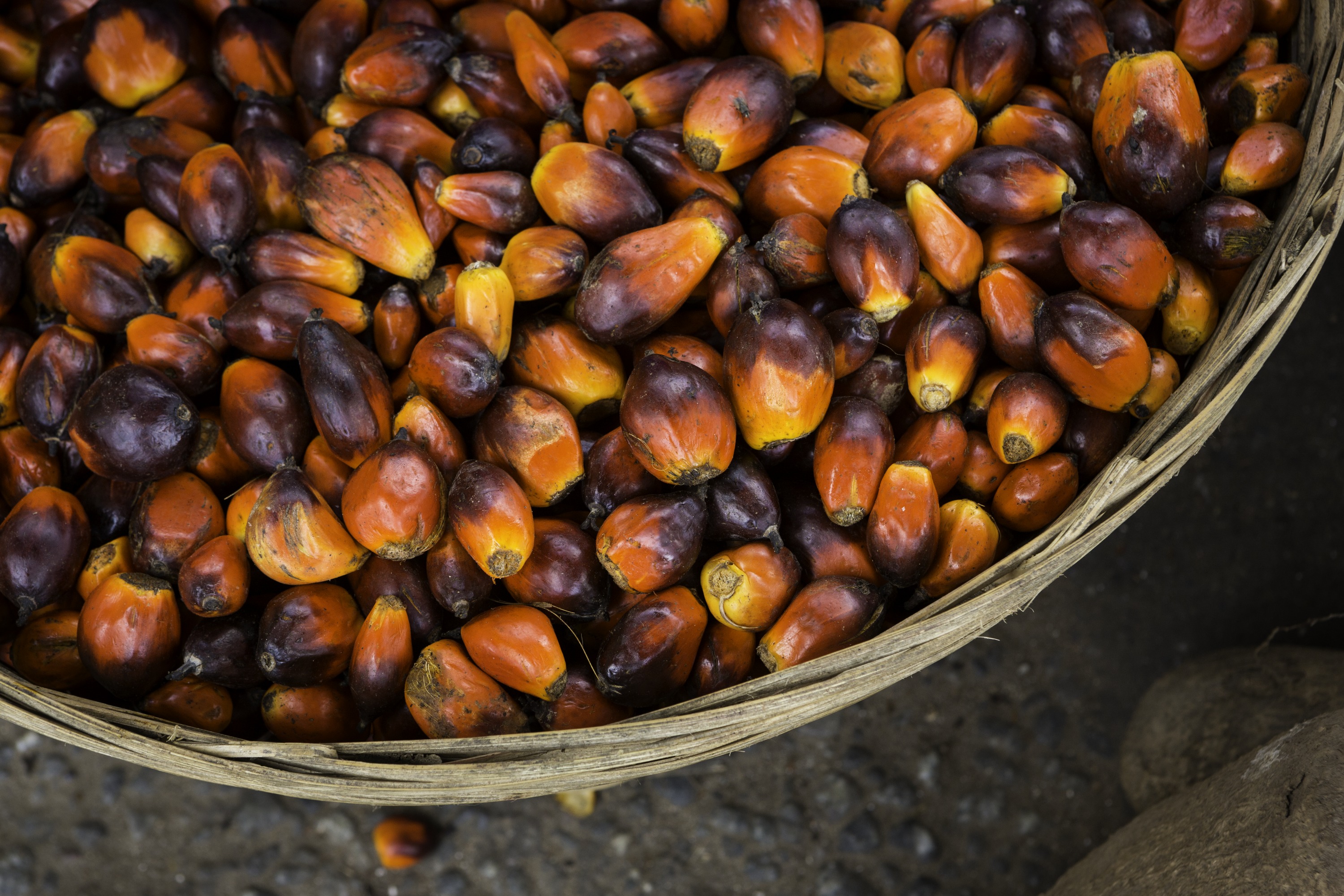
Oil palm is grown and processed at a small scale. Photo by Benjamin Drummond.

Oil palm trees are planted on more than 20 million hectares of tropical area around the world – mostly in Indonesia and Malaysia where 85% of all palm oil is produced, but increasingly in Africa and Latin America. The trees are incredibly efficient, yielding more oil on the same amount of land than any other leading oil crop (soy, canola, or sunflower). Thus, the global demand for palm oil has nearly tripled since 2000. With global demand for vegetable oils projected to exceed 300 million tonnes by 2050, the need to change palm oil production is clear and urgent.

Can palm oil production be sustainable?

Find out more about palm oil production in this publication by Conservation International.

Nature is Speaking

NIS-AllTitles_Newsroom

Have you ever imagined the voices of our nature? If nature could speak, what would it say?

In “Nature is Speaking” campaign launched by Conservation International in 2015, people were invited to listen to nature. Their message to humanity is simple, that ‘nature doesn’t need people; but people need nature’.

There are 12 films including mother nature and other nature elements, such as forest, water, ice, mountain, coral reefs, flower, voiced by celebrities who donated their time and voice.

The series in here.

UNESCO World Heritage Site: Mt Mantalingahan, Philippines

Mt. Mantalingahan Protected Landscape. Photo by Jeanne Tabangay.

Today and in the next blog post, I am going to share about UNESCO World Heritage Sites in the Asia-Pacific region: Mount Mantalingahan Protected Landscape in Philippines and Lagoons of New Caledonia.

What do you need to know about Mount Mantalingahan Protected Landscape? Below are some excerpts from the UNESCO World Heritage Convention site and references from Conservation International:

  • The protected landscape declared as the protected area in Palawan through Presidential Proclamation 1815 signed on June 23, 2009. It covers a total area of 120,457 hectares within the territorial jurisdiction of the municipalities of Bataraza, Brooke’s Point, Quezon, Rizal, and Sofronio Espanola.
  • The peak of Mt. Mantalingahan towering at 2085 meters above sea level is the highest peak in the province and considered sacred by the indigenous Palawan people.
  • The mountain’s substantial forest cover plays an important role in absorbing and storing carbon. Like many forests in this region, it faces considerable threats — including illegal logging and wildlife poaching, conversion to agricultural land, mangrove loss and unsustainable mining.
  • Mount Mantalingahan provides more than US$ 5.5 billion in ecosystem services to people. It is a key biodiversity area where new species are still being discovered.
  • It holds over half its original forest cover and provides an essential watershed for the 200,000 people that depend upon it