Treasures of Cambodia: Central Cardamom Mountain National Park

cardamom-mountains-cambodia
Central Cardamom Mountain National Park. Photo by Conservation International.

Central Cardamom Mountain National Park, over 400,000 ha (more than five times the size of Singapore) is one of the largest protected areas in Asia. As the primary watersheds for 1/3 of Cambodia, this area provides ecosystem services namely water, for more than 30,000 people (directly downstream) and 100,000 within 5 km, as well as supports food production and aquaculture in the lowland, ensuring food security for Cambodian people.

The economic valuation of land resources of Cardamom Mountains is estimated to be more than US$ 5 billion, including ecosystem services and goods provided, including timber, agricultural land, watersheds function, biodiversity, carbon sequestration, and tourism (Soussan and Sam, 2011). Read some excerpts of the study in ‘The values of land resources in the Cardamom Mountains in Cambodia’.

West Papua, Indonesia: What is a Conservation Province?

13. World’s First Conservation Province
West Papua, Indonesia. Photo by LT&C.org

On 19 October 2015, the Government of West Papua, Indonesia declared the Conservation Province, showed commitment to maintaining ecological balance while creating sustainable livelihood and achieving sustainable development.  It is a policy blueprint that embraces nature conservation as the foundation for economic development in West Papua.

West Papua is one of the world’s most biodiverse places. With more than 80% forest, this province is one of the last large tropical rainforests on the planet, and it is also important to the world’s epicentre of marine biodiversity.  It also houses vast stores of carbon in its forests and mangroves.

The designation alone is not conservation success – we still have to make it work on the ground.  But it is a huge opportunity.  Perhaps the biggest conservation opportunity in the world right now.

Click here to see short video about Conservation Province.

See some related blog posts about Conservation Province in here.

Where does water comes from?

Jakarta
Jakarta’s skyline seen from the The Fountain Pen. Photo by Ecal Saputra.

Greater Jakarta is a living and breathing cityscape that sprawls over several provinces and is home for more than 30 million people.  This city’s water consumption is 1 billion m3/year.

Where does Jakarta’s water come from?

Gunung Gede Pangrango National Park, located about 80 km from the city, is the sources of the water for Greater Jakarta. The National Park is one of the oldest parks in Indonesia and was also declared as Biosphere Reserve by UNESCO. It has been estimated that the 60 more rivers flowing from the park provide water worth US$1.5 billion for domestic and agricultural uses.

It is one of the examples of the potential role of protected areas in helping to maintain water supply to major cities. More reference about forest protected areas for water supply can be found in this research report by the World Bank/WWF Alliance for Forest Conservation and Sustainable Use.

Sustainable Palm Oil?

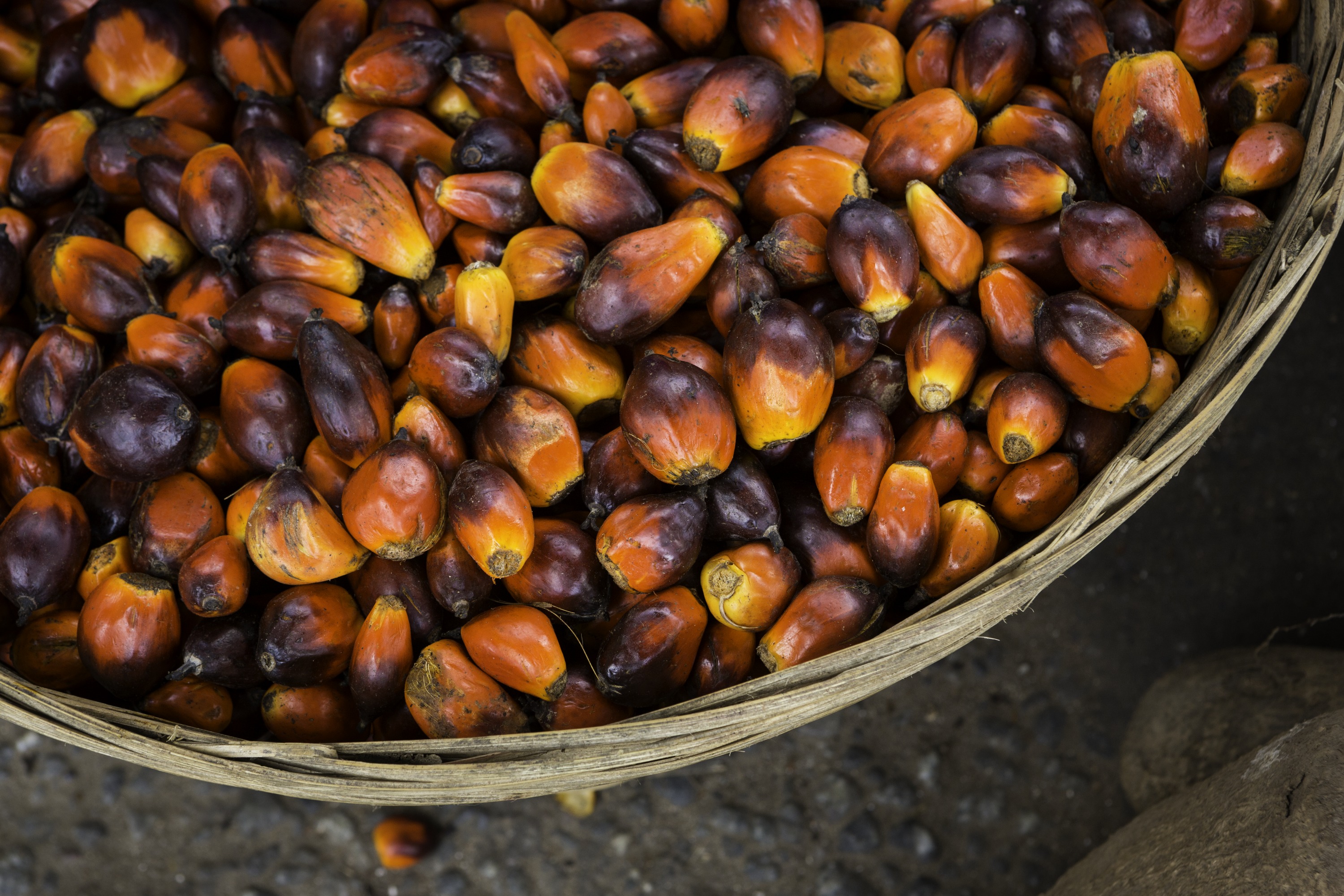
Oil palm is grown and processed at a small scale. Photo by Benjamin Drummond.

Oil palm trees are planted on more than 20 million hectares of tropical area around the world – mostly in Indonesia and Malaysia where 85% of all palm oil is produced, but increasingly in Africa and Latin America. The trees are incredibly efficient, yielding more oil on the same amount of land than any other leading oil crop (soy, canola, or sunflower). Thus, the global demand for palm oil has nearly tripled since 2000. With global demand for vegetable oils projected to exceed 300 million tonnes by 2050, the need to change palm oil production is clear and urgent.

Can palm oil production be sustainable?

Find out more about palm oil production in this publication by Conservation International.

New species of Orca

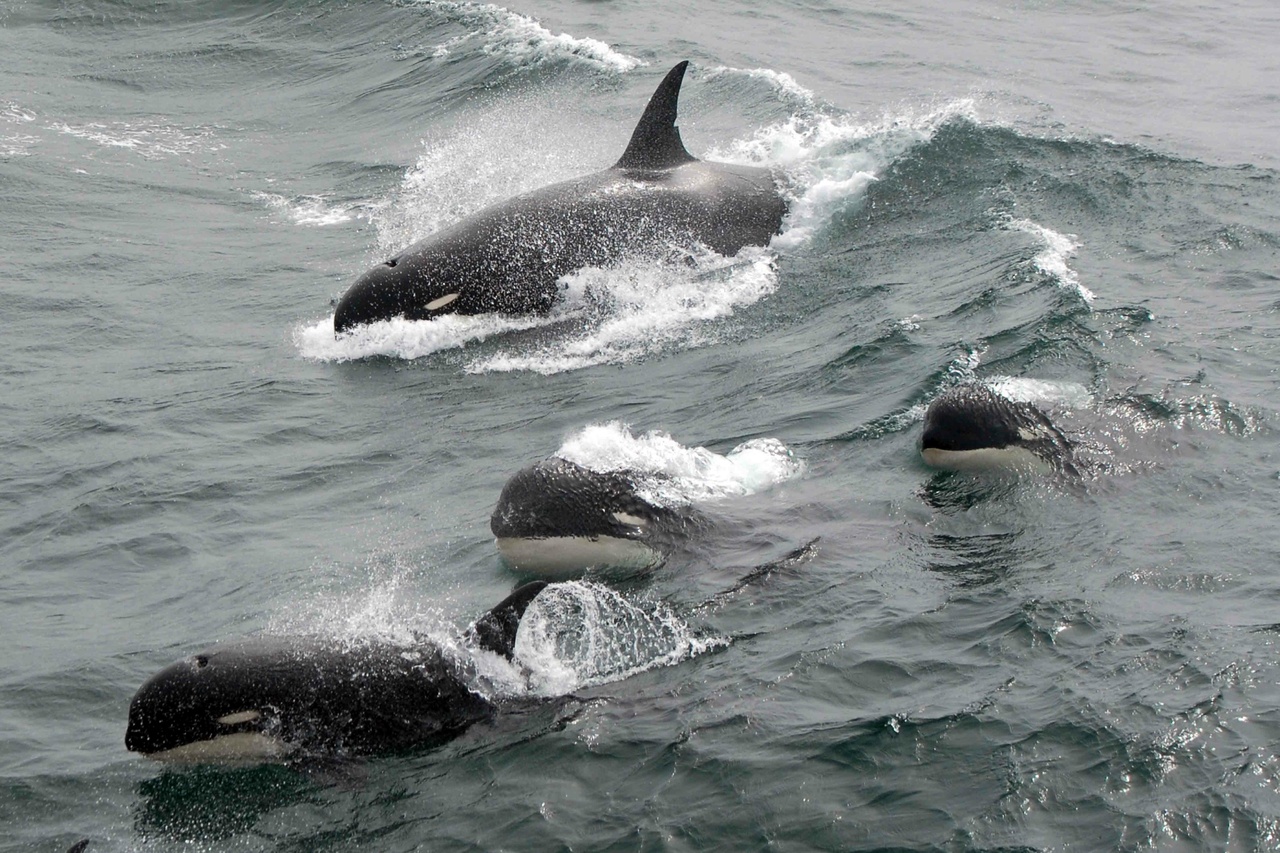
A rare photo of Type D killer whales showing their blunt heads and tiny eyepatches.
Photo by J.P. Sylvestre.

There are still some unknown species in the world – even whales and great apes. Just announced – a possible new species of Orca: type D or “sub-antarctic” that was previously known from anecdotal evidence from both fishermen and more recent digital photos by Antarctic tourists.  Bob Pitman described the “type D” ecotype in a paper in 2010 and NOAA just published video and announced that they had collected DNA.

Similar to recent discovery of new species of Orangutan in Northern Sumatra – a species that could go extinct soon after it is described by science. Pongo tapanuliensis is critically endangered and its existence is directly threatened by hydro power development plans, deforestation for palm-oil plantations and increasing human transmigration into remaining intact forest fragments.